
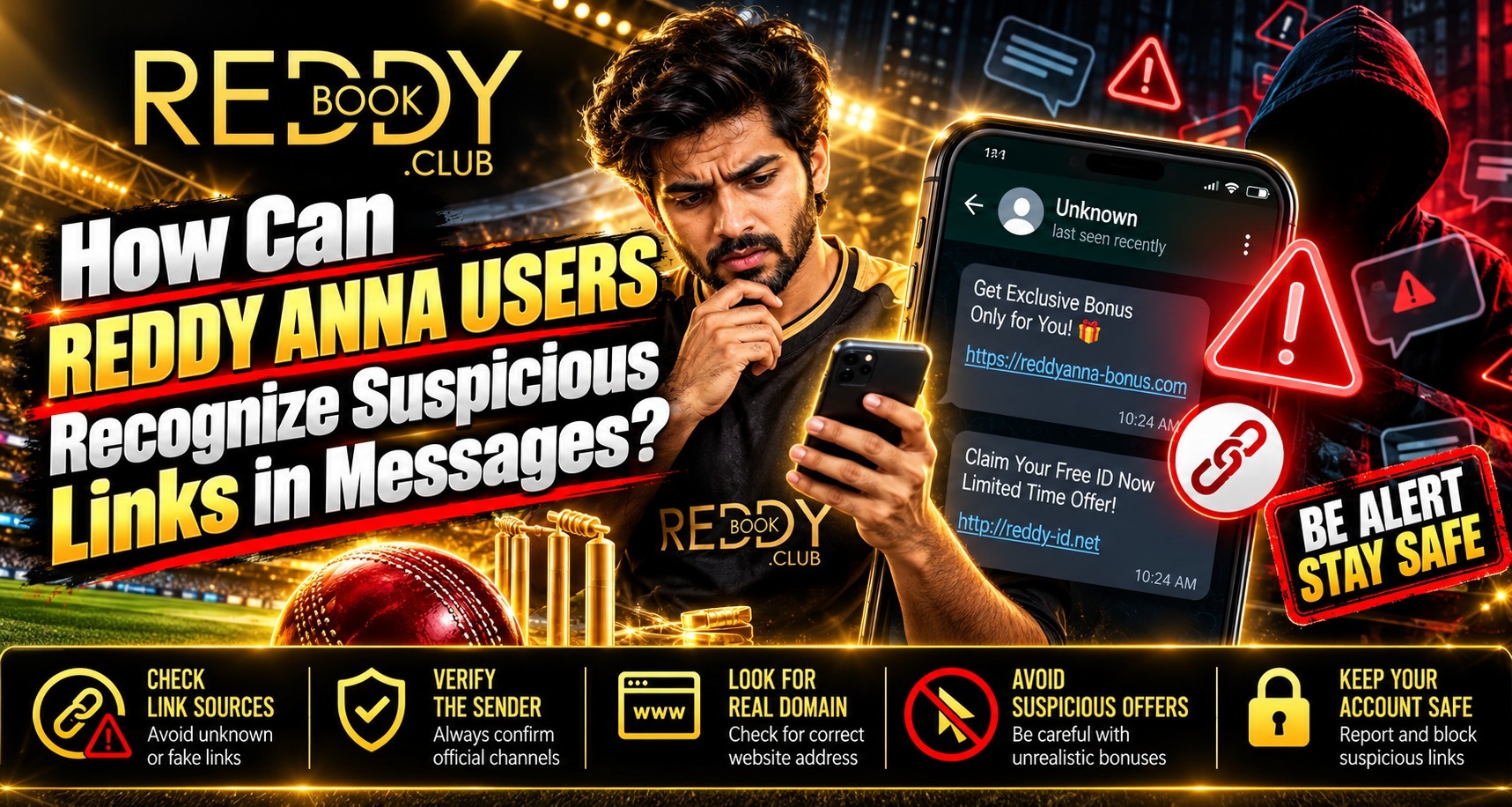
A message says your withdrawal is waiting, but you must verify your account within ten minutes. The logo looks familiar, and the sender knows your name. Should you tap? Messages mentioning Reddy Book or Reddyanna deserve the same scrutiny as any unexpected account request. Leave the message unopened while you check the claim through a route you already trust.
Judge the request before examining the link
Start with what the sender wants. An unexpected reward, threatened suspension, or urgent payment demand can pressure you into skipping normal checks.
Ask yourself whether you initiated the conversation and expected this specific action. A message arriving during a real support conversation can still be fraudulent. Once you identify the request, examine who appears to be sending it.
Look beyond the sender name and logo
A familiar display name, profile photo, or copied signature does not establish identity. Even a message from a known contact deserves caution if it unexpectedly asks for credentials or money, because accounts can be compromised.
We recommend verifying unusual instructions through contact details established independently of the message. Do not call the number supplied in the suspicious text. Next, inspect the destination without visiting it.
Check the address without opening the page
On a computer, hovering over a link usually reveals its destination. On a phone, some messaging apps offer a link details or copy option. If inspection would open the page or generate a preview, leave it alone.
Look for swapped letters, extra words, unfamiliar endings, and shortened addresses. A brand name appearing somewhere inside an address does not prove ownership. If you cannot confidently identify the destination, use an independently verified bookmark instead.
Treat polished messages as unverified
Correct grammar and professional graphics are easy to reproduce. Neither provides reliable evidence that a message is genuine.
When a message mentions Reddy book, verify its account claim independently; a reddyanna label or convincing screenshot cannot authenticate the sender. Likewise, HTTPS encrypts a connection but does not establish that the operator is trustworthy. This matters especially when the message offers another way to reach the same page.
Apply the same checks to QR codes and downloads
A QR code can conceal a website address just as a shortened link can. Scanning it is not a separate form of verification.
Be cautious when a message asks you to install an APK, enable unusual permissions, share your screen, or move the conversation to another app. A supposed account update should not require you to surrender control of your device. If you already interacted, your next action depends on what you shared.
Respond according to what happened
If you only opened a page, close it and avoid further interaction. Opening a link alone does not establish that your account was compromised.
If you entered a password, change it through a trusted route and replace reused passwords elsewhere. If you installed software, stop using that device for sensitive activity until it has been checked. For exposed payment details or unauthorised debits, contact your bank immediately. Preserve relevant screenshots before reporting the message.
Read More : Reddyanna Blackjack Strategy Guide for Beginners
Make independent verification your usual habit
Keep trusted bookmarks, update your browser, and use available account security controls. These habits reduce repeated decisions when messages arrive during a busy day.
Whether a message uses reddy book or reddyanna, examine the request, sender, and destination separately. We encourage Reddy Anna users to pause and verify unusual instructions through independently confirmed support before sharing information.
FAQs
Can a familiar chat contain a fraudulent link?
Yes. A compromised contact account can send convincing messages within an existing conversation.
Does a padlock prove a website is genuine?
No. Encryption protects the connection, but fraudulent websites can also use it.
Should I reply to test the sender?
Avoid engaging with a suspicious sender. Verify the claim through a separate trusted channel instead.
Are shortened links always dangerous?
No. However, they hide the destination and should not be treated as proof of authenticity.
What should I include when reporting?
Preserve the sender details, message, timestamp, and screenshots. Never include your password or authentication codes.