
Introduction
Digital payments have become an important part of online account management, but occasional issues such as delayed updates, failed transactions, or mismatched balances can create confusion. For users accessing Reddyanna, transaction history is one of the most useful tools for understanding what happened during a payment and finding the right solution.
A detailed transaction record provides important information such as payment status, timing, amount, and reference details. Reviewing this information before taking further action can help prevent repeated payments and unnecessary problems.
What Is Transaction History?
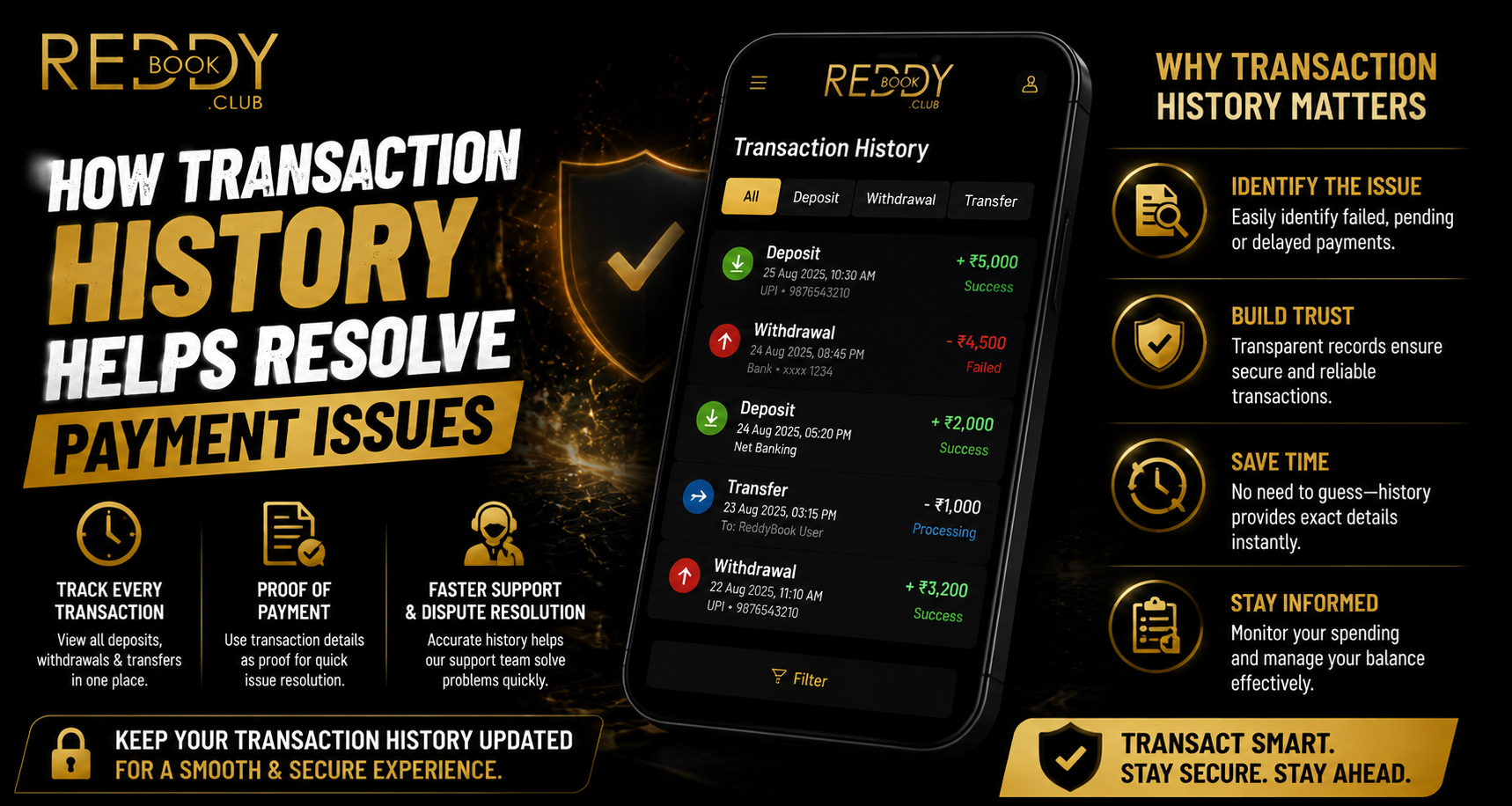
Transaction history is a record of previous account activities. It helps users track completed, pending, failed, or reversed payments.
When checking a Reddy anna book payment issue, transaction history can show:
- Payment date and time
- Transaction amount
- Payment status
- Reference number
- Processing details
- Previous activity records
These details help create a clearer picture of what happened during a payment attempt.
Why Transaction History Is Important
Many payment issues occur because users only check whether money was deducted or whether the balance changed. However, the complete transaction record provides more detailed information.
A Reddy book user can use transaction history to:
- Confirm whether a payment was successful
- Identify pending transactions
- Track previous payment attempts
- Avoid duplicate payments
- Provide accurate details when requesting help
Having a complete record makes payment troubleshooting easier.
Checking Payment Status Through History
When a payment does not appear immediately, the first step should be reviewing the transaction status.
Common statuses may include:
Successful
This means the payment has been completed. If the account balance does not update, users may need to wait for the system to refresh or verify the transaction details.
Pending
A pending payment means processing is still underway. Users should avoid repeating the payment until the status becomes clear.
Failed
A failed transaction usually means the payment was not completed. Users can review the reason and decide the next step.
Reversed
A reversed payment means the transaction may have been cancelled and the amount returned according to payment processing rules.
How Transaction Details Help Support Teams
If a payment problem continues, transaction history provides useful information for investigation.
Important details include:
- Transaction ID
- Amount transferred
- Date and time
- Payment method
- Status shown
- Reference number
For users of Reddy anna book, providing accurate transaction information can help support teams understand the issue faster.
Users should never share sensitive information such as passwords, OTPs, or PINs while discussing payment problems.
Avoiding Duplicate Payments
One common mistake during payment issues is trying again immediately. If the first transaction is still processing, a second attempt may create confusion.
Before making another payment:
- Check transaction history
- Confirm the first payment status
- Review bank confirmation
- Wait for pending transactions to update
Transaction records help users make informed decisions instead of reacting quickly.
Identifying Unusual Activity
Transaction history is also useful for account security. Regularly reviewing payment records can help users notice unfamiliar activity.
Look for:
- Unknown transactions
- Unexpected amounts
- Multiple failed attempts
- Unusual payment times
Early detection can help users take action before a problem becomes larger.
Best Practices for Managing Transaction Records
Users can improve payment management by:
- Checking transaction history regularly
- Saving important reference numbers
- Keeping payment confirmations
- Reviewing account activity
- Using secure devices
- Avoiding sharing private details
A Reddy book user who maintains good payment habits can resolve many common issues more efficiently.
Common Mistakes to Avoid
Users should avoid:
- Ignoring transaction status
- Making repeated payments without checking history
- Deleting payment records
- Sharing PINs or passwords
- Trusting unofficial support contacts
- Assuming a delay means money is lost
Careful review of transaction information is usually the best first step.
Conclusion
Transaction history plays an important role in resolving payment issues because it provides clear information about what happened during each payment attempt. By checking payment status, reference numbers, and activity records, users can better understand delays, failures, or mismatched balances.
For Reddyanna users, maintaining awareness of transaction history can improve payment management and reduce confusion. Reviewing records carefully, avoiding duplicate payments, and protecting sensitive information are key steps toward safer digital transactions.
FAQs
Why is transaction history useful for payment problems?
Transaction history shows important details such as payment status, amount, timing, and reference numbers that help identify issues.
Should I make another payment if the first one is delayed?
No. Check the transaction history first to confirm whether the original payment is still processing.
What information should I provide when reporting a payment issue?
Provide transaction details such as reference number, date, amount, and status. Never share passwords or PINs.
How often should I check transaction history?
Regular reviews can help users identify mistakes, delays, or unusual activity early.